

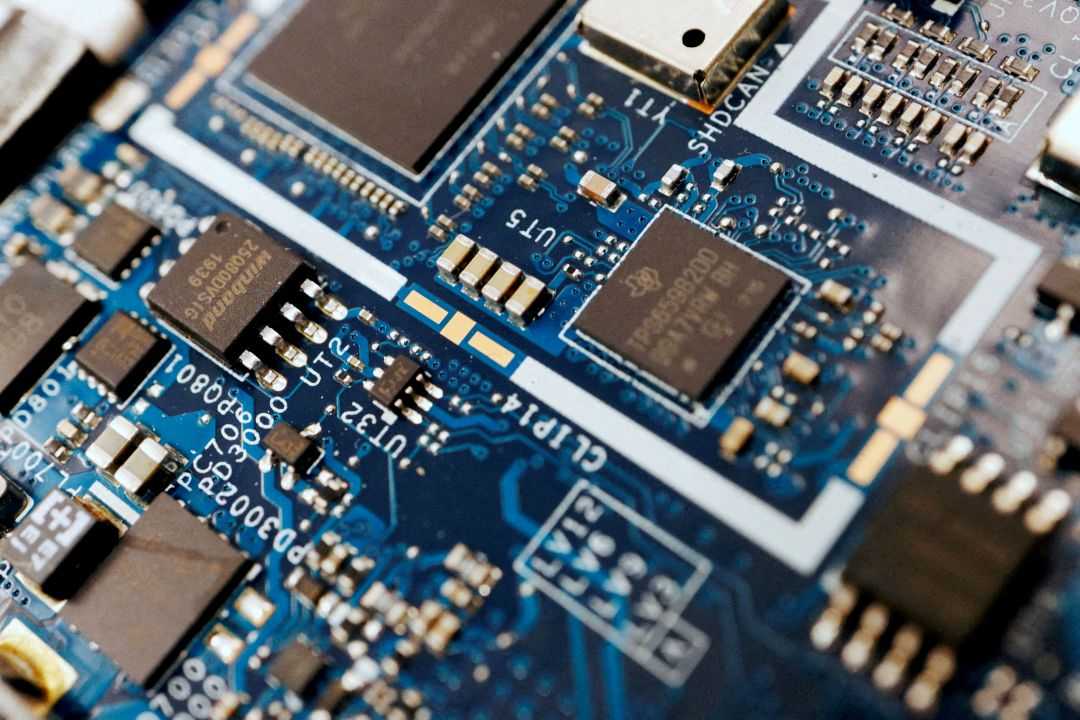
Nvidia and Advanced Micro Devices have agreed to pay the U.S. government 15 percent of their revenue from artificial intelligence chip sales in China as a condition for securing export licenses, according to people familiar with the arrangement.
The revenue-sharing requirement, first reported by the Financial Times, departs sharply from decades of U.S. export control practice, which has typically been based on national security rather than financial gain. Legal experts said the measure could face constitutional challenges, as the U.S. Constitution bars taxes on exports.
Sources, who requested anonymity because they were not authorized to discuss the deal publicly, said the provision was negotiated as part of a broader agreement allowing the companies to resume shipments of certain AI chips to Chinese customers.
Nvidia, whose products dominate the global AI hardware market, confirmed it would comply with the licensing terms. A company spokesperson said Nvidia follows rules set by the U.S. government and expressed hope that future regulations would allow American firms to remain competitive in China and globally.
The agreement follows months of shifting U.S. policy. The Trump administration halted sales of Nvidia’s H20 chips to China in April, citing national security risks, only to reverse course in July shortly before trade talks with Beijing. The H20 model was the last high-performance AI chip Nvidia could legally export to China after the Biden administration tightened restrictions in 2022.
Critics have raised concerns that repeated changes in export policy could weaken U.S. credibility with international partners. The latest deal has amplified those worries, drawing sharp reactions from former officials and policy analysts.
Peter Harrell, a former senior White House economic adviser under President Biden, said the arrangement appears to violate the Constitution’s export tax prohibition. He also questioned the precedent it sets for U.S. trade policy.
Christopher Padilla, a former Commerce Department export control official under President George W. Bush, called the deal “unprecedented and dangerous,” arguing that export controls are intended to safeguard national security, not generate revenue.
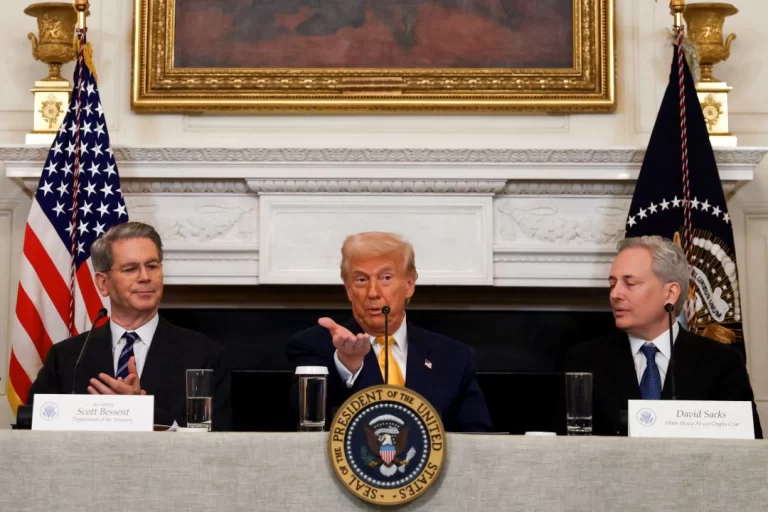
The decision came after Nvidia CEO Jensen Huang met with President Trump at the White House last week. Huang has visited frequently this year, becoming one of the most visible corporate executives in Washington’s high-stakes tech policy debates. Following the meeting, Trump instructed Commerce Secretary Howard Lutnick to approve the licenses under the new terms, according to a person with direct knowledge of the matter.
Neither AMD nor the White House responded to requests for comment.