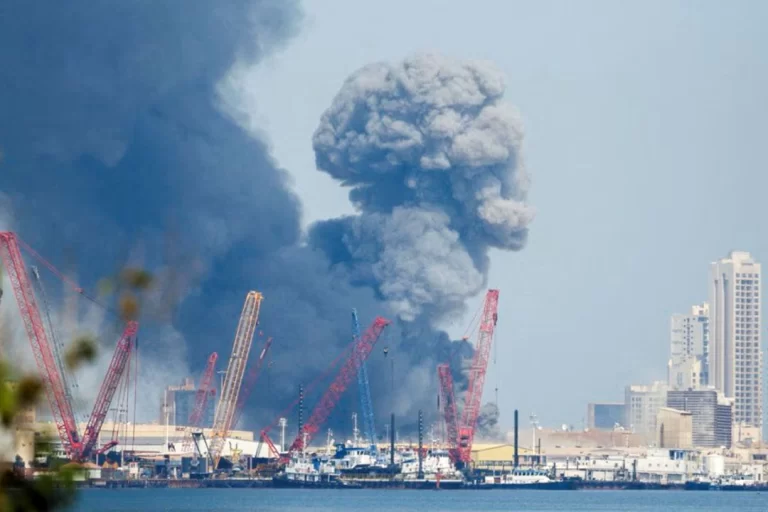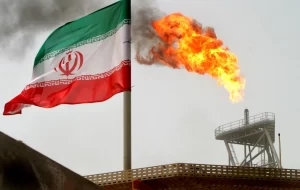


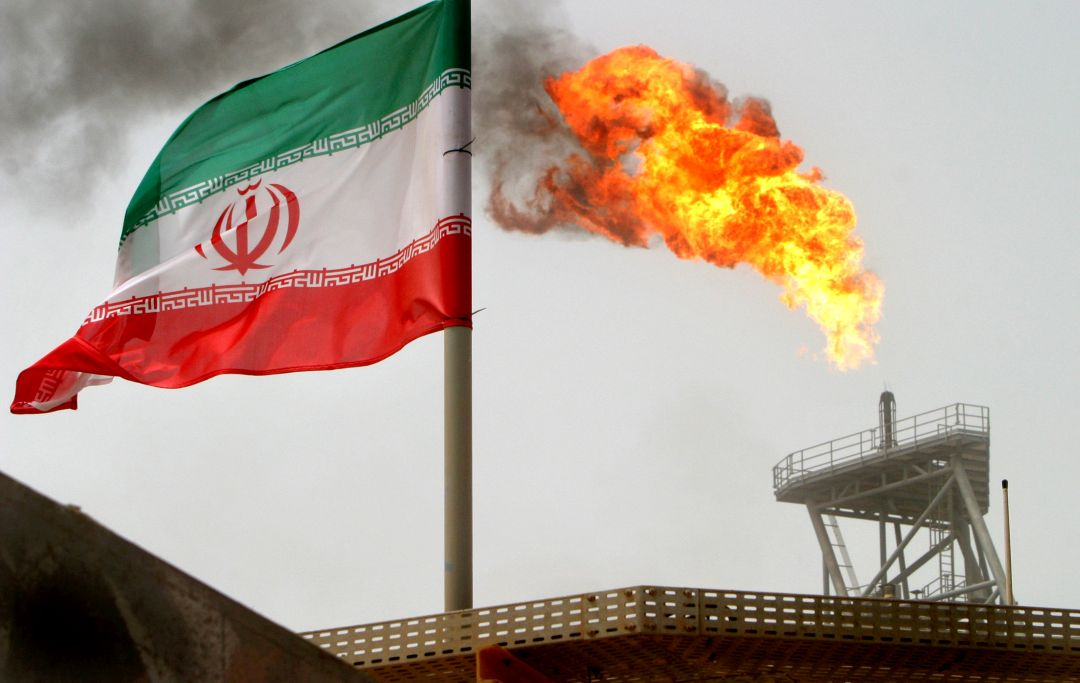
Oil prices jumped sharply and stock markets fell across Asia on Monday after U.S. and Israeli strikes on Iran heightened fears of a prolonged conflict in one of the world’s most critical energy regions.
Brent crude, the international benchmark, briefly surged nearly 14 percent in early trading, while West Texas Intermediate rose close to 12 percent. Prices later eased but remained about 5 percent higher by midday. The rally followed reports that the strikes killed Iran’s Supreme Leader Ayatollah Ali Khamenei and other senior officials, escalating tensions in an already volatile region.
The attacks have also disrupted traffic through the Strait of Hormuz, a narrow waterway that handles roughly one fifth of global seaborne oil shipments. Shipping incidents near Oman and the United Arab Emirates have raised concerns about supply interruptions. Although Iran has not formally declared the strait closed, warnings from its Revolutionary Guards and reported vessel strikes have effectively curtailed passage, adding to market anxiety.
Equity markets across Asia reacted swiftly. Benchmarks in Tokyo, Hong Kong, Singapore, Taipei and Wellington all declined, with U.S. stock futures also pointing lower. Investors shifted into perceived safe havens, pushing gold prices up about 2 percent.
Energy companies were among the few bright spots. Shares of major oil producers in Australia, Japan and Hong Kong climbed as higher crude prices improved profit outlooks. Analysts cautioned, however, that sustained price spikes could have broader economic consequences.
Oil had already been trending upward last week amid speculation that diplomatic efforts to curb Iran’s nuclear program were faltering. Monday’s escalation intensified concerns about inflation. Analysts note that persistently higher energy costs can slow progress in reducing headline inflation, potentially complicating central bank policy decisions. While it does not automatically signal tighter monetary policy, elevated oil prices could make policymakers more cautious about cutting interest rates.
Shipping disruptions could prove especially consequential. Analysts estimate that a prolonged closure of the Strait of Hormuz could remove between eight and 10 million barrels per day from global supply. Although oil importing nations maintain strategic reserves, experts warn that reserves may not fully offset such a significant shortfall if the disruption persists.
Insurance costs for vessels transiting the region have already begun to rise. Several major shipping firms have reportedly suspended routes through the strait. Meanwhile, natural gas prices also climbed, reflecting Qatar’s role as a leading exporter of liquefied natural gas.
The last time oil exceeded $100 per barrel was at the onset of Russia’s invasion of Ukraine, a surge that contributed to global inflation and slower growth. Economists caution that extended instability in the Gulf could weigh on economic activity through higher fuel costs, increased shipping expenses and disruptions to air travel.