


Apple has refreshed its high-end iPad Pro, MacBook Pro, and Vision Pro headset lineup with its new M5 processor, positioning the company for a critical holiday season following sluggish tablet sales earlier this year.
The new models maintain the same external designs and pricing as their predecessors but gain significant performance upgrades through Apple’s next-generation silicon. Preorders are now open, with availability set for October 22.
The M5 chip, built entirely in-house, delivers a major boost in computing power and energy efficiency. Apple claims the processor enables the iPad Pro to outperform many premium laptops, while also enhancing the Vision Pro’s ability to handle complex mixed-reality and artificial intelligence workloads.
The updated iPad Pro continues to feature a slim profile and Apple’s “tandem” OLED display system, which layers panels to increase brightness and improve power management. Available in 11-inch and 13-inch variants, the devices start at $999 and $1,299 respectively. Though the design remains unchanged, the software experience sees one of the largest overhauls in years.
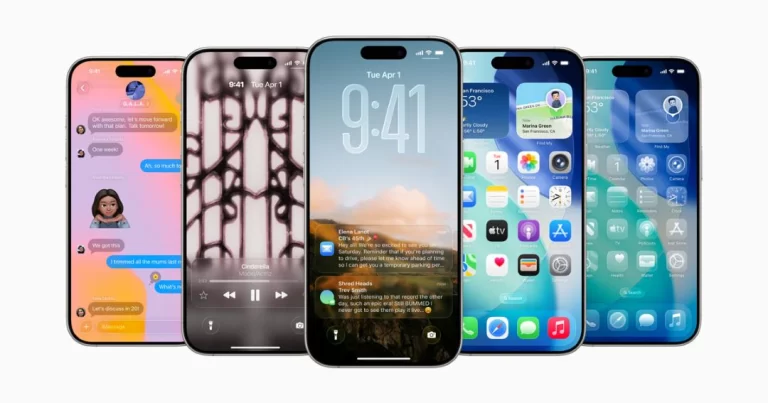
With the release of iPadOS 26 last month, Apple redesigned multitasking to better reflect the flexibility of macOS. Users can now open and resize multiple apps simultaneously and rearrange them with more intuitive gestures. A persistent menu bar and the ability to pin folders directly to the dock bring the tablet closer to a full laptop replacement. While all recent iPad models support these features, the M5-equipped Pro models handle more applications running concurrently.
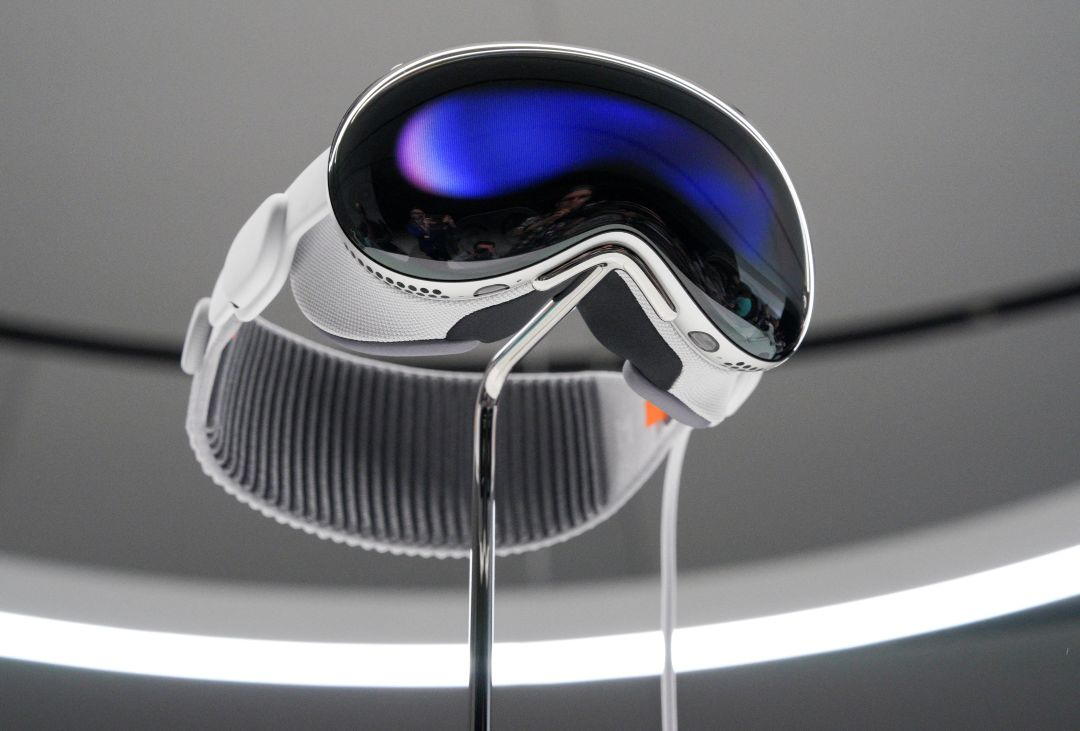
The Vision Pro headset, introduced earlier this year as Apple’s first major entry into spatial computing, also gains the M5 chip. The upgrade is expected to deliver smoother performance and more advanced graphical rendering for immersive media and enterprise applications. Apple also introduced a redesigned head strap aimed at reducing fatigue during extended use—a response to widespread feedback that the original device felt heavy and uncomfortable.
Despite strong early interest, the Vision Pro has struggled to find a mainstream audience due to its $3,499 price tag and limited availability of 3D and augmented reality content. Apple has since pivoted its marketing toward professional and enterprise customers, highlighting the device’s potential for design visualization, training, and remote collaboration.
Internally, the company is believed to be shifting focus toward developing smart glasses, a product category with greater consumer appeal and lower production costs. Bloomberg previously reported that Apple halted plans for a lighter, cheaper Vision Pro revision to redirect resources toward competing with Meta’s newly launched Ray-Ban smart glasses, which have drawn significant attention in the wearables market.