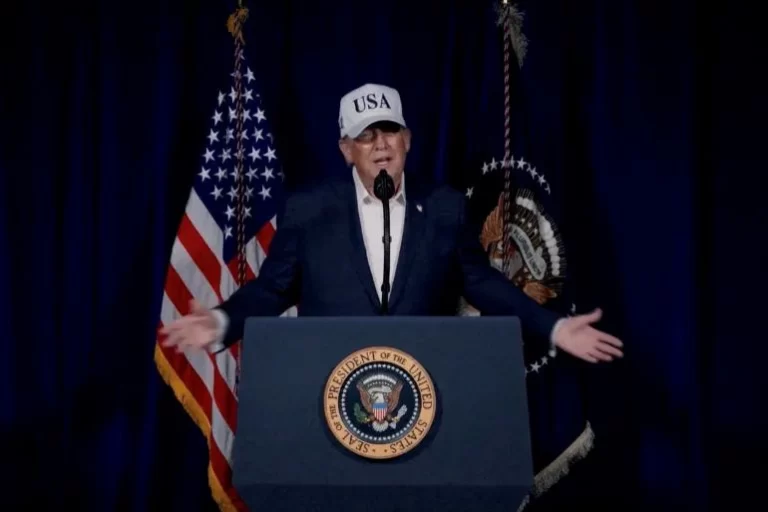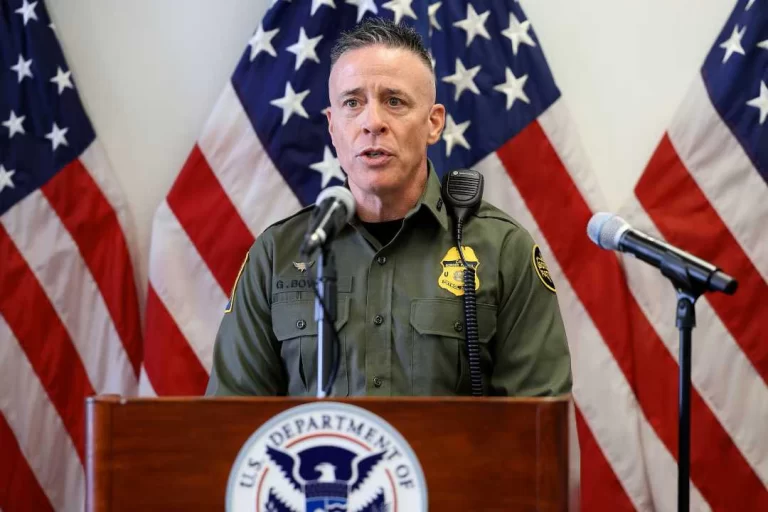
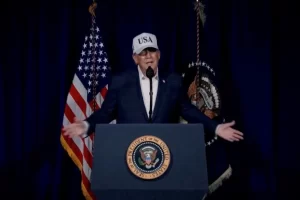
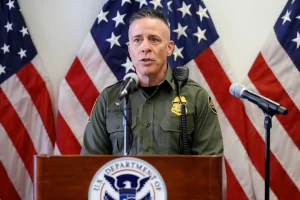
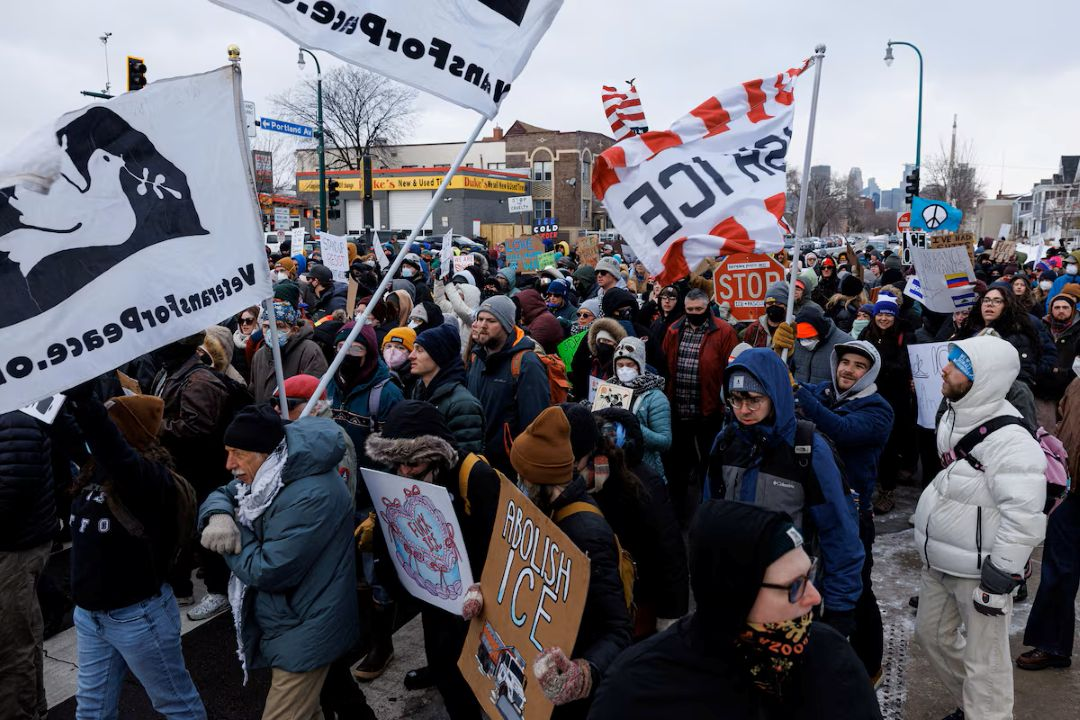
President Donald Trump on Thursday threatened to invoke the Insurrection Act, a rarely used federal law that allows the president to deploy military forces domestically, as protests in Minneapolis intensified over a federal immigration crackdown and a series of violent confrontations involving immigration officers.
The warning followed another shooting involving a federal officer, this time leaving a man wounded after authorities said the officer was attacked during an arrest. The incident added to mounting tension in a city already shaken by the fatal shooting earlier this month of Renee Good, who was killed by an Immigration and Customs Enforcement agent. Since then, Minneapolis has seen near nightly protests, growing clashes with federal agents, and rising concern among local officials.
Trump accused Minnesota leaders of failing to maintain order and suggested that federal intervention could be imminent if demonstrations continue. He framed the protests as organized and unlawful, portraying federal officers as under siege while carrying out immigration enforcement operations ordered by his administration.
The Insurrection Act, enacted in 1807, has been used sparingly throughout U.S. history, most recently during the 1992 Los Angeles riots at the request of California’s governor. Trump has raised the possibility of invoking the law before, including during nationwide protests in 2020 following the killing of George Floyd, but has never acted on the threat. Any move to do so over the objections of state leaders would likely face immediate legal challenges.
Minnesota officials were quick to push back. Governor Tim Walz urged the president to de-escalate, warning that aggressive federal action would inflame an already volatile situation. Attorney General Keith Ellison said his office would challenge any deployment of troops, adding to existing lawsuits aimed at halting the Department of Homeland Security’s expanded immigration operation in the Twin Cities.
That operation, known as Metro Surge, has resulted in more than 2,500 arrests since late November, according to federal officials. ICE increased its presence in the region earlier this year by deploying roughly 2,000 additional agents. Civil rights advocates argue the effort has led to racial profiling and unlawful detentions, including of U.S. citizens.
On Wednesday night, federal agents fired tear gas into a crowd near the site of the latest shooting as protesters threw rocks and fireworks. Minneapolis Mayor Jacob Frey described the situation as increasingly dangerous and said city leaders were struggling to balance public safety with residents’ anger over federal actions.
The American Civil Liberties Union of Minnesota has filed a class action lawsuit on behalf of three U.S. citizens who say they were unlawfully questioned or detained. Similar legal challenges in other cities have met mixed results, often stalled by appeals.
Federal officials said the most recent shooting began when officers attempted to detain a man from Venezuela who was in the country illegally. After a brief chase and crash, the officer was confronted by three people and fired a single shot, according to Homeland Security. Local police said the wounded man is expected to survive.
The unrest has begun to disrupt daily life. Minneapolis and St. Paul public schools are expanding remote learning options, while the University of Minnesota announced flexible arrangements as the new term approaches.