Fighting erupted again along the Thailand-Cambodia border early Sunday, just hours after both governments reportedly committed to a cease-fire agreement brokered by the United States.
The renewed hostilities cast doubt on diplomatic efforts to de-escalate a territorial conflict that has become the deadliest between the two neighbors in over a decade. At least 34 people have been killed since fighting began last week near disputed temples claimed by both countries.
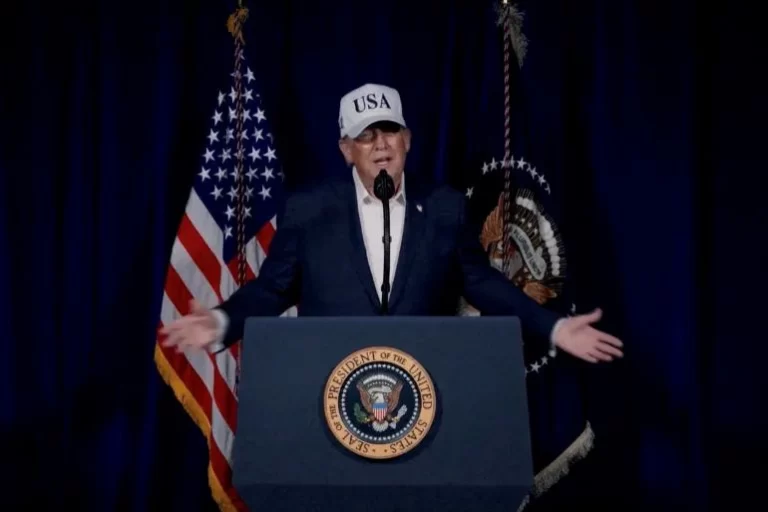
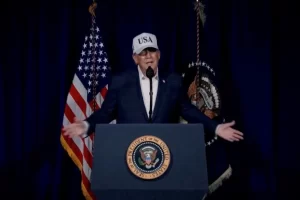
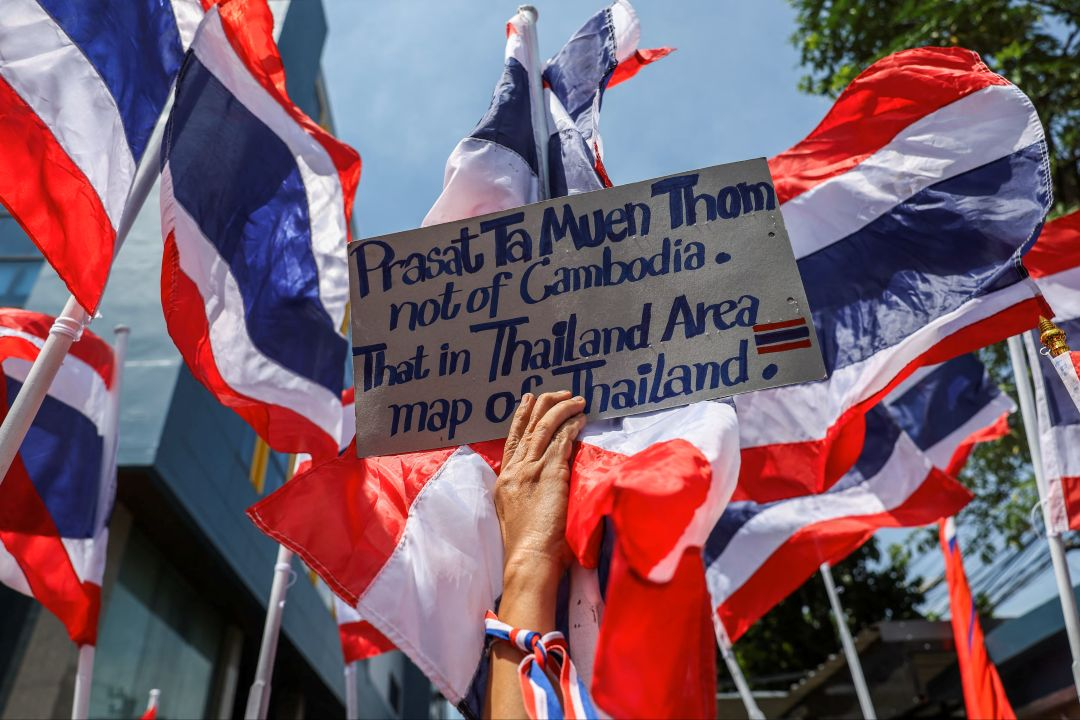
The skirmishes follow President Donald Trump’s announcement on Saturday that leaders from both nations had agreed to halt military operations. However, within hours, gunfire and shelling resumed near the contested temple complexes of Prasat Ta Khwai and Prasat Ta Moan Thom. Each nation refers to the sites by different names, reflecting long-standing disagreements over sovereignty.
Thailand’s acting Prime Minister Phumtham Wechayachai said he had informed President Trump of Thailand’s readiness for a cease-fire, requesting that the United States urge Cambodia to initiate talks. However, Thai military officials emphasized that troops on the ground would continue operations until Cambodia directly engages in negotiations.
A spokesperson for the Thai military stated that combat units were operating under standing orders and would not change posture without formal outreach from Cambodian officials. According to Thai reports, Cambodian forces fired first on Sunday, allegedly targeting civilian areas.
Cambodia firmly denied that claim. A spokesperson for its defense ministry described Thailand’s accusations as baseless and accused Thai forces of launching attacks on Cambodian territory at around 2 a.m., including strikes near the ancient temples. Cambodian officials stated that Thai troops deployed tanks by 6 a.m. and advanced into multiple areas, escalating the confrontation.
Cambodian Prime Minister Hun Manet expressed frustration with what he described as repeated violations of cease-fire commitments by Thailand. He pointed to a previous truce negotiated last Thursday by Malaysian Prime Minister Anwar Ibrahim, which also collapsed within days.
Hun Manet said he had directed Cambodia’s foreign minister to coordinate with U.S. Secretary of State Marco Rubio, who was expected to work with Thailand’s foreign ministry to help enforce a formal cessation of hostilities.
Meanwhile, both leaders are scheduled to travel to Putrajaya, Malaysia, on Monday for face-to-face talks. Malaysia’s foreign ministry has confirmed the meeting, though declined to offer details on the agenda. Officials from Thailand’s foreign ministry acknowledged the planned visit but would not elaborate. Cambodia’s foreign ministry did not respond to inquiries.
The root of the conflict lies in long-standing territorial disputes over land surrounding ancient temple sites, a flashpoint for national pride on both sides. While international courts have issued rulings in the past regarding some of the sites, disagreements over boundaries persist.