

Hamas has used the calm following its cease-fire with Israel to reassert authority across the Gaza Strip, targeting rival clans and armed groups in a show of dominance that underscores its enduring grip on power. The campaign marks the militant group’s most forceful internal crackdown in years and could shape the next phase of negotiations over Gaza’s political future.
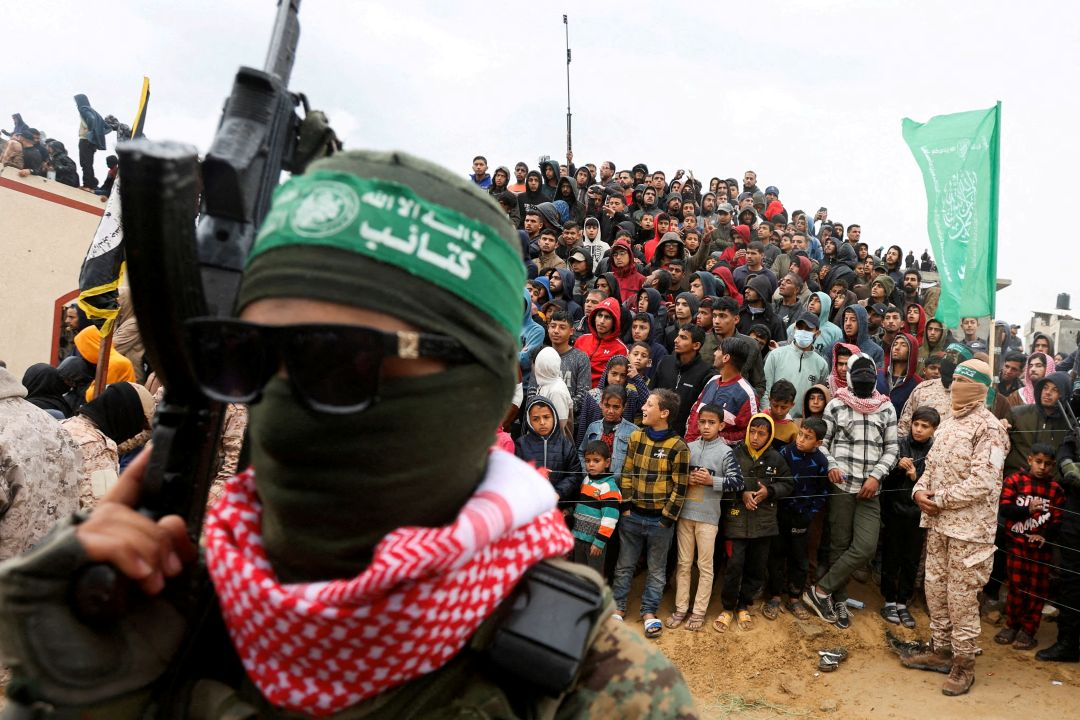
In recent weeks, Hamas fighters have staged public executions, launched coordinated raids, and pursued local militias that rose during months of war. Residents in Gaza City and Deir al-Balah report seeing heavily armed units patrolling neighborhoods and enforcing order, while rival factions describe a methodical campaign to eliminate challengers. The operations have effectively dismantled groups that, during the Israeli offensive, filled the security vacuum left by Hamas’s retreat underground.
According to Palestinian officials and analysts, the group’s objective is clear: to remind Gaza’s population—and international mediators—that Hamas remains the only functioning authority capable of enforcing control. Its message is also directed at external powers, particularly the Trump administration, whose peace plan envisions a demilitarized Gaza without Hamas in government. For now, the group appears intent on proving that any future arrangement will require its participation.
Hamas officials have justified the actions as an effort to restore order and punish collaborators. But regional observers see the violence as part of a broader strategy to regain leverage in ongoing negotiations. Under the U.S.-backed framework, Hamas would be required to surrender its weapons and cede governance to a new civil administration. Yet the group has signaled privately that it will seek to retain light arms for internal security, arguing that local clans—some of which allegedly received support from Israel—pose a continuing threat.
Internal security forces, including a special unit formed during the war, have led the crackdown. These units have been credited with gathering intelligence on clan leaders and executing carefully planned raids. Videos circulated by Hamas-linked media show gunmen directing traffic and establishing checkpoints, emphasizing the group’s restored visibility after months in hiding.
The renewed campaign has raised fears among Palestinian leaders and analysts that Gaza could slip into a deeper cycle of internal violence. Some worry that the fighting between Hamas and armed families may evolve into protracted feuds, further fracturing Palestinian society. Others argue that Hamas’s consolidation of control could provide short-term stability but complicate long-term peace efforts.
Still, Hamas’s resurgence gives it renewed bargaining power in talks over reconstruction, security arrangements, and future governance. Its leaders are expected to press for recognition as an indispensable part of Gaza’s administration, whether under its current banner or through a rebranded political wing.