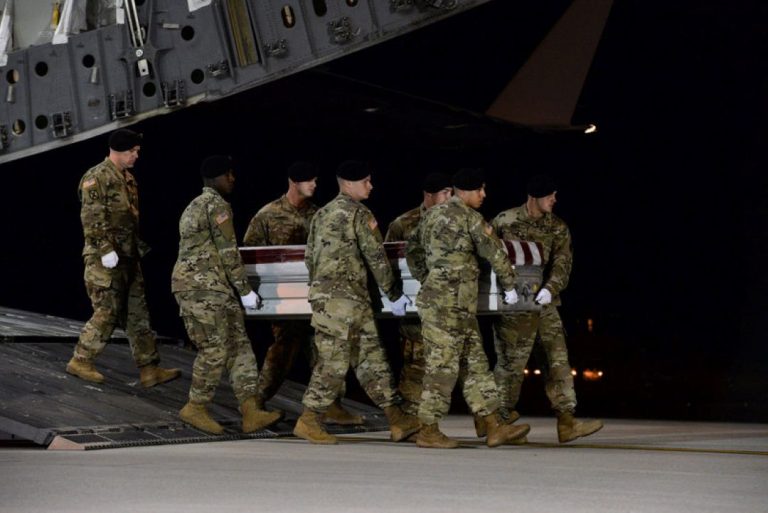

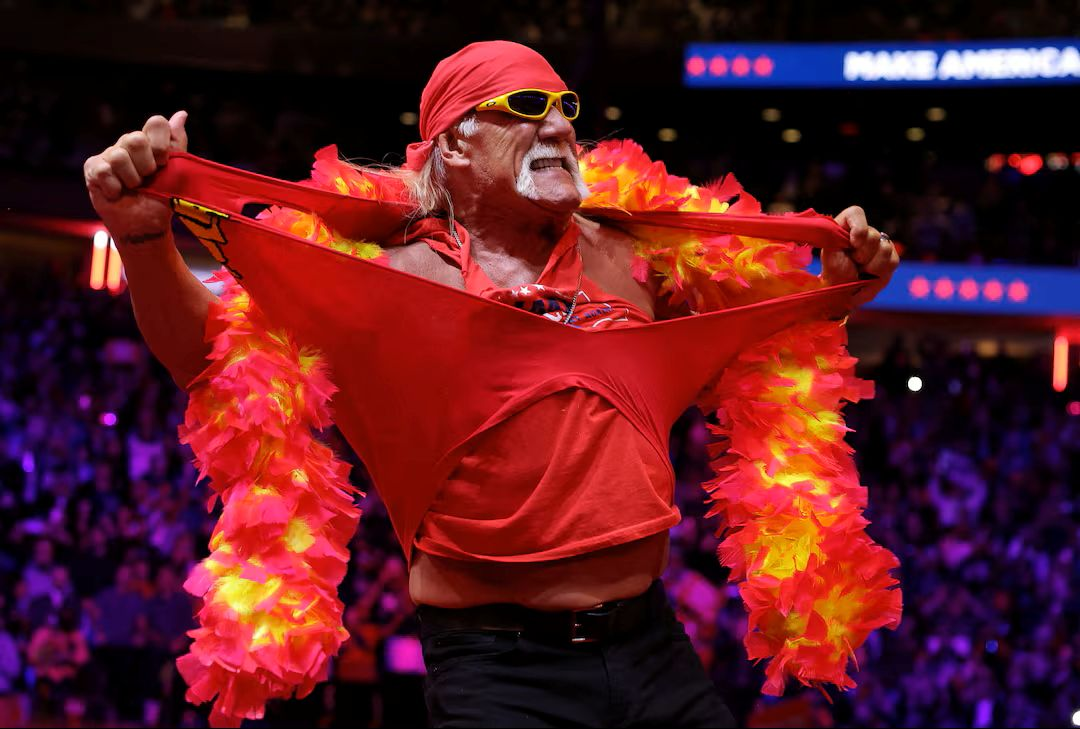
Terry Bollea, better known as professional wrestling legend Hulk Hogan, died Thursday at age 71 in Clearwater Beach, Florida. According to local police, he was taken to Morton Plant Hospital after emergency services responded to a cardiac arrest. He was pronounced dead shortly after arrival.
Bollea rose to fame in the 1980s as the centerpiece of the World Wrestling Federation, now WWE, where he helped transform wrestling into a major global entertainment industry. At the height of his popularity, Hogan became a household name, transcending the ring through appearances in movies, television shows, video games, and endorsements. His signature look—blond hair, handlebar mustache, and red bandana—was as instantly recognizable as his catchphrases and theatrical presence.
His influence was most pronounced during the “Hulkamania” era, which began in earnest after his performance in Rocky III and gained momentum with his 1984 championship victory over the Iron Sheik at Madison Square Garden. That match solidified Hogan as the face of wrestling, a status further amplified by his headlining role in the first WrestleMania in 1985.
In 1987, Hogan drew a record-setting crowd of over 93,000 to WrestleMania III, where he famously body-slammed Andre the Giant, breaking the latter’s long undefeated streak. These moments cemented his place not just in wrestling lore, but in mainstream American culture.
Beyond the ring, Bollea’s career was marked by significant controversies. In the 1990s, he admitted to using anabolic steroids during his career. He later reinvented himself in World Championship Wrestling as “Hollywood Hogan,” playing a villainous persona that extended his time in the spotlight.
Bollea’s personal life became the center of public attention again in the 2000s. A sex tape, recorded without his knowledge, was published in part by Gawker Media in 2012. Bollea filed suit, claiming invasion of privacy. The resulting legal battle, Bollea v. Gawker, raised major questions about press freedom and privacy rights. In 2016, a Florida jury awarded him $140 million in damages. The case ultimately led to Gawker’s bankruptcy and closure. The litigation revealed that Silicon Valley investor Peter Thiel had helped finance Bollea’s legal fees, citing longstanding grievances with the site.
The fallout from the trial was compounded in 2015 when racially offensive language from the same tape surfaced. WWE terminated its relationship with Bollea but reinstated him three years later. He later expressed remorse for his comments and acknowledged the damage they caused.
His personal life included a highly publicized divorce, a legal case involving his son’s car crash, and a battle with depression. In his memoir, Bollea described a moment when he considered suicide, crediting a phone call from Laila Ali with helping him seek a new path.
Born in Augusta, Georgia, and raised in Tampa, Florida, Bollea came to wrestling after a brief stint in college and a run as a musician. After early setbacks in the sport, he broke through with a larger-than-life persona that redefined professional wrestling. He was inducted into the WWE Hall of Fame in 2005.
Bollea is survived by his third wife, Sky Daily, his two children, and several grandchildren.