



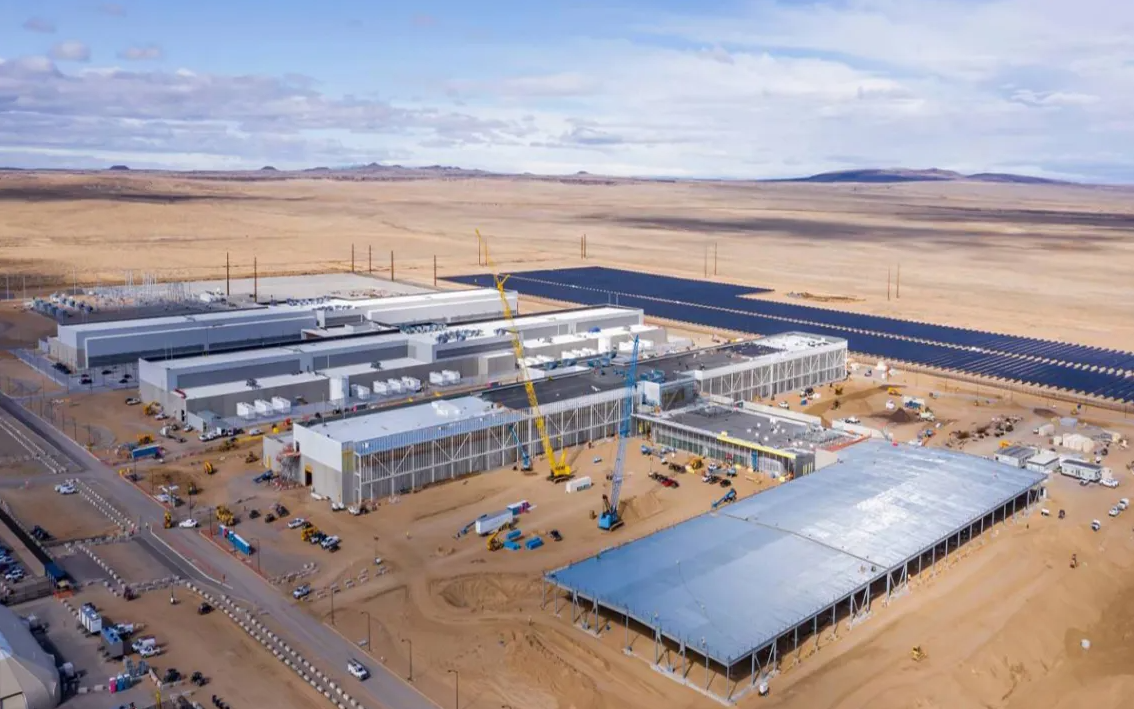
A sprawling artificial intelligence data center rising from farmland in northeast Louisiana is transforming a quiet rural parish into a hub of economic activity, but the benefits have proven uneven, leaving some residents thriving and others struggling to keep pace.
In Richland Parish, Meta’s Hyperion project spans more than 2,000 acres and represents one of the company’s largest infrastructure investments to date. The scale of construction has drawn thousands of workers into a region long defined by declining population and limited economic growth. For some local businesses, the sudden influx has created opportunities that would have been difficult to imagine just a year ago.
Entrepreneurs like Tim and Lindsey Allen have capitalized on the surge in demand. Their small food venture, launched to serve construction crews, quickly grew into a steady catering operation. Orders from contractors and workers working long shifts have provided a new source of income in a community where such opportunities were previously scarce.
Yet the boom has not been universally beneficial. Other small business owners, including those who invested savings into food trucks hoping to serve the same workforce, have seen demand decline as large contractors brought in outside catering providers. Some local vendors say they have been unable to compete with larger operations or afford fees to operate near the construction site.
The project reflects a broader national trend as major technology companies invest heavily in data centers to support artificial intelligence. Analysts estimate hundreds of billions of dollars will be spent annually on such infrastructure in the coming years, fueling competition among states to attract these developments. Local leaders often promote these projects as catalysts for economic renewal, drawing comparisons to earlier industrial booms.
In practice, however, the economic ripple effects are more complex. Many materials, services and specialized components used in construction are sourced from outside the region, limiting the share of spending that reaches local businesses. While construction jobs have surged, most are temporary, and the finished facility is expected to employ far fewer permanent workers.
The rapid influx of workers has also placed pressure on housing and infrastructure. Temporary housing developments, including large RV parks, have appeared across the parish to accommodate thousands of laborers. At the same time, some residents report rising rents and housing instability as landlords respond to increased demand.
For longtime residents, the changes have altered daily life. Increased traffic, round the clock construction and expanding industrial activity have replaced what was once a quiet agricultural landscape. Some community members describe a sense of disruption, saying decisions about the project were made quickly and with limited local input.
Supporters of the development argue that such disruption is the cost of long overdue investment. Regional officials say the project has already generated thousands of jobs tied to construction and related services, while also attracting attention from other companies considering the area for future projects.
Meta has said it is working to support local businesses and invest in infrastructure, including roads and utilities, while also partnering with educational institutions to prepare residents for jobs connected to the project. The company has also indicated that the site may expand further, suggesting a long term presence in the region.
For many residents, the future remains uncertain. Some see the project as a chance to reverse decades of economic decline. Others worry that the benefits may be temporary, leaving lasting changes without sustained opportunity.