

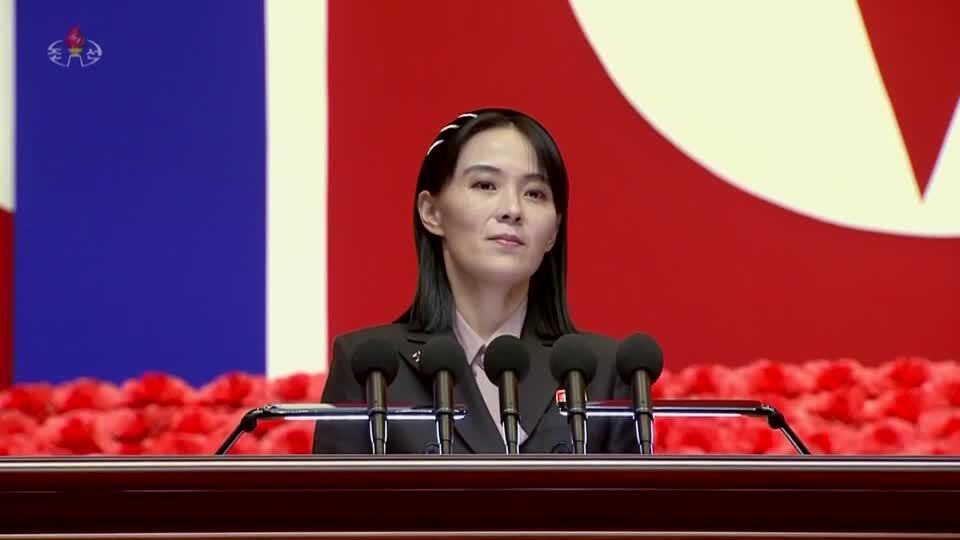
Kim Yo Jong, the influential sister of North Korean leader Kim Jong Un, has publicly dismissed overtures from South Korea’s newly elected president, signaling a hardening stance in Pyongyang that leaves little room for renewed diplomacy on the peninsula.
In a statement released through state media Monday, Kim criticized President Lee Jae Myung’s approach as insincere, accusing his administration of clinging to its alliance with the United States while maintaining a hostile posture toward the North. Despite acknowledging recent gestures from Seoul, she said there was “no interest” in dialogue and “no issue” worth discussing.
The statement is Pyongyang’s first official response to Lee’s government, which came to power in June pledging to mend fractured inter-Korean ties. Since taking office, Lee’s administration has halted anti-North broadcasts near the border, restricted the launch of propaganda leaflets, and repatriated several North Koreans who had drifted into southern waters. These moves were intended to de-escalate tensions, but they have not shifted North Korea’s stance.
According to analysts, Kim’s comments reflect a calculated decision to continue disengagement. With North Korea expanding its partnership with Russia and focusing on military development, there is little incentive to reengage with Seoul or Washington. Experts believe the North is instead working to drive a wedge between South Korea and the United States by portraying Seoul’s diplomacy as performative and dependent.
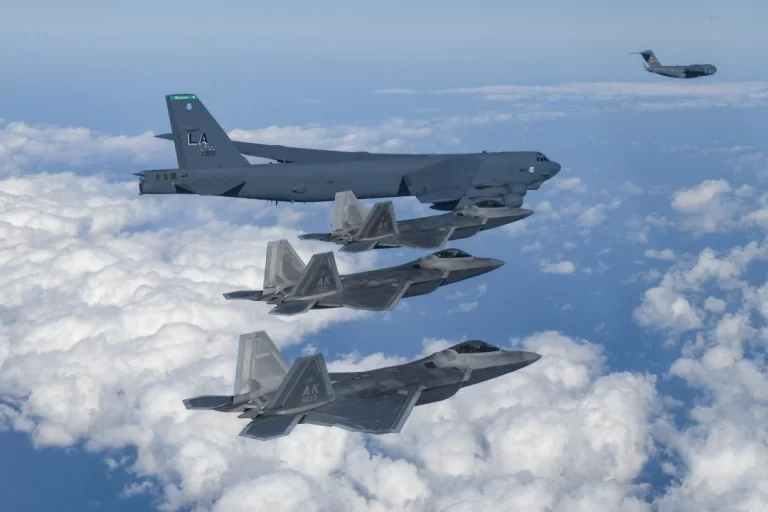
Kim also cited the upcoming joint military drills between South Korea and the United States as a key reason for rejecting talks, repeating Pyongyang’s long-standing claim that such exercises are a rehearsal for invasion. These annual exercises have frequently derailed efforts to restart dialogue in the past.
In response to the statement, President Lee held talks with Unification Minister Chung Dong-young. Chung later said he would recommend that the administration consider adjusting the joint drills as a possible signal to North Korea. The idea is controversial and likely to draw opposition from conservative lawmakers who view military readiness as essential in countering North Korea’s nuclear ambitions.
The broader challenge for Seoul is structural. With strict international sanctions still in place, South Korea cannot offer the economic incentives that once encouraged North Korea to engage. Observers say Kim Yo Jong’s statement makes clear that Pyongyang sees little value in dialogue under current conditions.
North Korea’s foreign strategy appears increasingly tilted toward Moscow. Reports suggest it has supplied conventional weapons and military personnel to support Russia’s war in Ukraine, likely in exchange for economic support and other aid. These developments have further distanced Pyongyang from any meaningful engagement with the South.
Although former U.S. President Donald Trump has voiced interest in resuming dialogue with Kim Jong Un, there has been no public response from the North. Analysts note that Kim Yo Jong’s latest statement also serves a domestic purpose: bolstering national pride and justifying ongoing weapons development despite worsening economic conditions.