

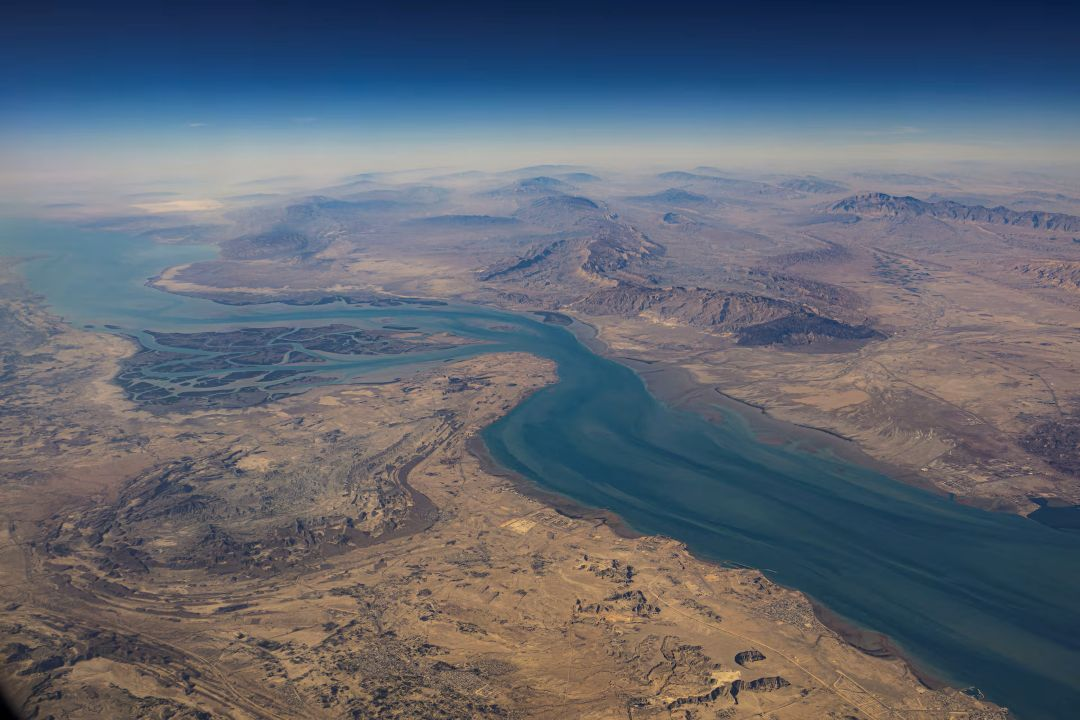
Tensions between the United States and Iran intensified again Thursday after both sides accused each other of violating a fragile ceasefire near the Strait of Hormuz, raising new fears over the stability of one of the world’s most critical shipping corridors.
Iranian officials said US forces targeted two vessels near the strait and carried out strikes along Iran’s southern coastline. Iranian state media reported explosions on Qeshm Island, a strategically important location at the entrance to the waterway, and claimed local air defenses intercepted several drones in the area.
US Central Command said American forces responded after what it described as Iranian attacks against military assets in the region. According to the Pentagon, US naval vessels came under threat while operating near Hormuz and defensive action was taken to protect personnel and shipping lanes.
The confrontation came only a day after President Donald Trump suggested a diplomatic breakthrough with Tehran might still be possible. Trump described recent discussions with Iranian representatives as productive, though he also warned that military action could resume if negotiations collapsed.
Speaking from Washington, Trump later claimed three US Navy destroyers successfully passed through the Strait of Hormuz during the exchange without sustaining damage. He also asserted that several Iranian vessels involved in the confrontation had been destroyed, though Iranian authorities disputed the account.
The latest violence has added pressure to diplomatic efforts already strained by months of conflict. Iran denied responsibility for an explosion involving a South Korean vessel in the strait earlier this week, rejecting accusations that its armed forces were involved. Meanwhile, French President Emmanuel Macron condemned attacks targeting ships and civilian infrastructure near the Gulf, calling them unjustified and dangerous for regional stability.
The unrest has also rattled global energy markets. Oil prices surged sharply after news of the exchange, with Brent crude briefly climbing above $100 per barrel before easing slightly in Friday trading. Concerns over shipping disruptions continue to grow as commercial vessels face mounting security risks in the narrow maritime passage, which handles a significant share of the world’s oil exports.
The United Nations warned that roughly 1,500 ships and their crews remain stranded in Gulf waters as uncertainty surrounding the strait deepens. Several shipping companies have reportedly altered routes or delayed transit operations while monitoring the security situation.
In the Gulf states, authorities in the United Arab Emirates urged residents to remain indoors during missile and drone alerts as air defense systems were activated. Regional governments have increasingly expressed concern that the conflict could spread beyond Iran and Israel and destabilize neighboring economies heavily dependent on trade and energy exports.