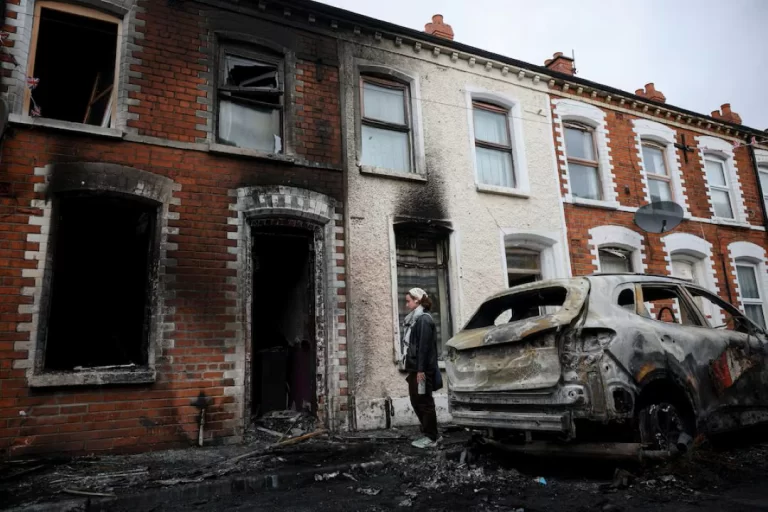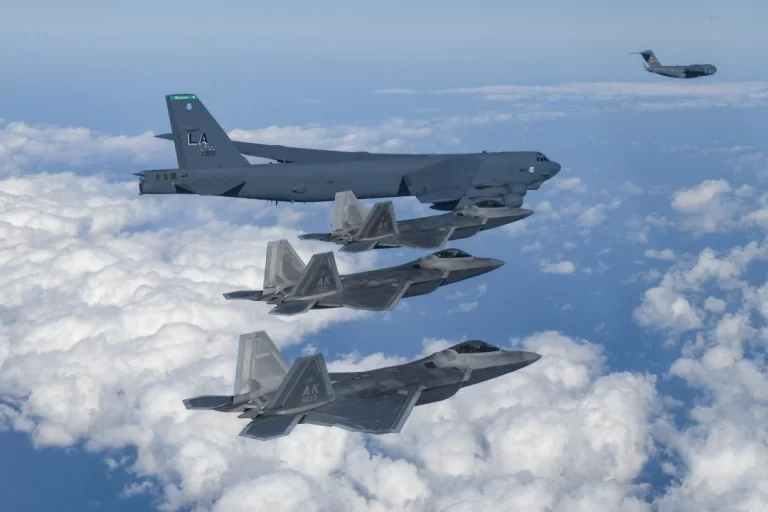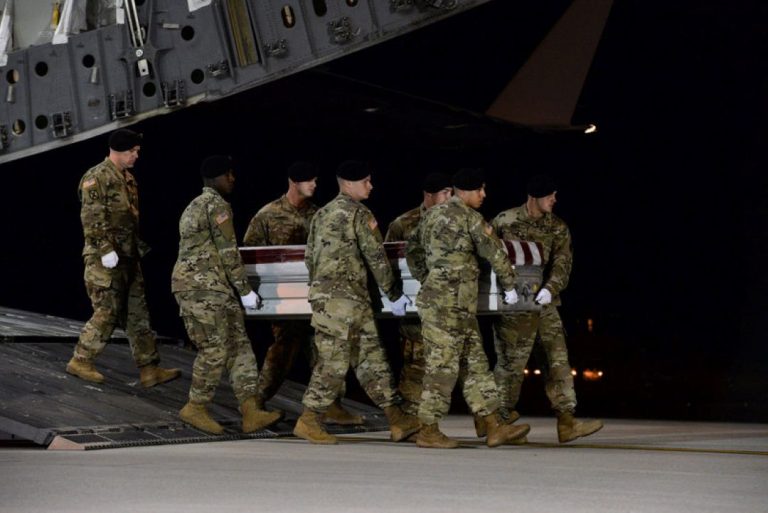


Iran warned Monday that it could expand its military response across the Middle East by targeting power plants and mining major shipping routes if the United States or its allies escalate attacks on Iranian territory. The threat marks another sharp turn in a rapidly widening conflict that has already disrupted global energy markets and raised fears of a broader regional war.
Tehran’s warning came after President Donald Trump said the United States could strike Iranian power infrastructure if Iran fails to reopen the Strait of Hormuz, a strategic waterway through which about one fifth of the world’s oil shipments normally pass. Iranian officials responded by signaling that energy and water facilities throughout the Persian Gulf could become targets in any further confrontation.
Iran’s leadership said electricity generating plants that supply power to American military bases could be struck in retaliation. Officials also suggested that broader economic and industrial facilities tied to U.S. interests in the region could be attacked if Washington follows through on its threats.
State linked Iranian media reinforced the warning by publishing a list of critical infrastructure sites across the Gulf region, including desalination plants and nuclear energy facilities in neighboring countries. Analysts note that such installations are closely tied to drinking water supplies in several Gulf states, meaning attacks could threaten both energy and water security in desert nations that depend heavily on desalinated seawater.
Iran also warned it could mine shipping lanes across the Persian Gulf if foreign forces attempt to invade or seize Iranian territory. The statement raised concern about potential military action aimed at reopening the Strait of Hormuz, which has been partially blocked following recent U.S. and Israeli strikes.
Military planners have considered options that could involve American Marines securing strategic islands or coastal positions to protect shipping routes. Israeli officials have also suggested the possibility of ground operations as the conflict intensifies.
Israel confirmed Monday that it had launched another wave of strikes on infrastructure targets in Tehran, though it did not immediately disclose the specific facilities hit. The attacks are part of a broader campaign aimed at degrading Iran’s military capabilities and preventing it from rebuilding weapons systems.
The escalating exchange has already rippled through global markets. Oil prices have surged dramatically since the beginning of the conflict, climbing to around $112 per barrel for Brent crude. That represents an increase of more than 50 percent since late February when U.S. and Israeli forces began striking Iranian targets.
Energy experts warn that sustained disruption in the Persian Gulf could produce far reaching consequences for the world economy. The head of the International Energy Agency said the crisis has already triggered dramatic price increases in oil, gasoline and natural gas, with particularly severe impacts expected for developing economies that rely heavily on imported fuel.
United Nations officials have also warned that the economic shock is spreading beyond the region. Higher energy costs and volatile markets are placing additional pressure on countries in Asia and Africa, where fuel prices are closely tied to economic stability.
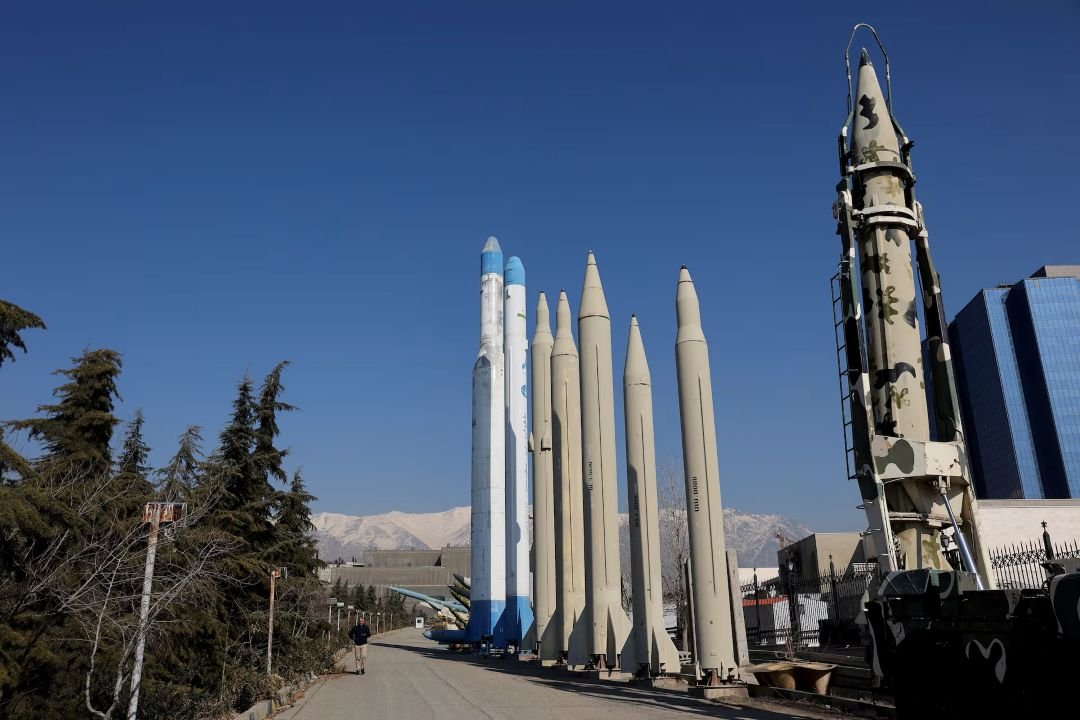
U.S. military officials have defended the campaign against Iran as a necessary effort to dismantle missile, drone and naval capabilities that could threaten international shipping and regional allies. American commanders say Iranian forces have launched attacks from populated areas, increasing the complexity of military operations.
Iran’s health ministry says more than 1,500 people have been killed inside the country since the conflict began. In Israel, Iranian strikes have killed at least 15 people, while attacks in neighboring territories and Gulf states have caused additional casualties. Fighting has also spread to Lebanon, where Israeli strikes targeting Hezbollah positions have displaced more than a million people.