

Nearly a month into the war between the United States, Israel and Iran, Washington is quietly circulating a detailed peace proposal while simultaneously preparing additional military forces for possible deployment to the region.
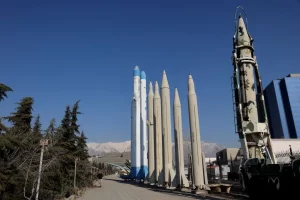
Diplomats familiar with the discussions say the United States has distributed a 15 point framework that outlines conditions for ending the conflict. The plan calls for the dismantling of Iran’s nuclear program and strict limits on the country’s missile capabilities. The proposal closely mirrors demands that Washington presented earlier this year before negotiations collapsed and military strikes began.
Iran has responded cautiously while maintaining a defiant public stance. Officials in Tehran said the country would not consider ending the conflict unless the United States pays war reparations and acknowledges Iran’s authority over the Strait of Hormuz, the narrow waterway that serves as one of the world’s most important energy shipping routes. Control over that passage has become a central issue in the conflict, as disruptions there have affected global oil and fertilizer shipments.
Indirect communication between Washington and Tehran is reportedly taking place through Pakistani officials, who are attempting to organize preliminary peace discussions in Islamabad. Diplomats say potential meeting dates have been proposed, possibly within days. Neither government has publicly confirmed that talks are being arranged, reflecting the political sensitivity of appearing eager for negotiations during an active conflict.
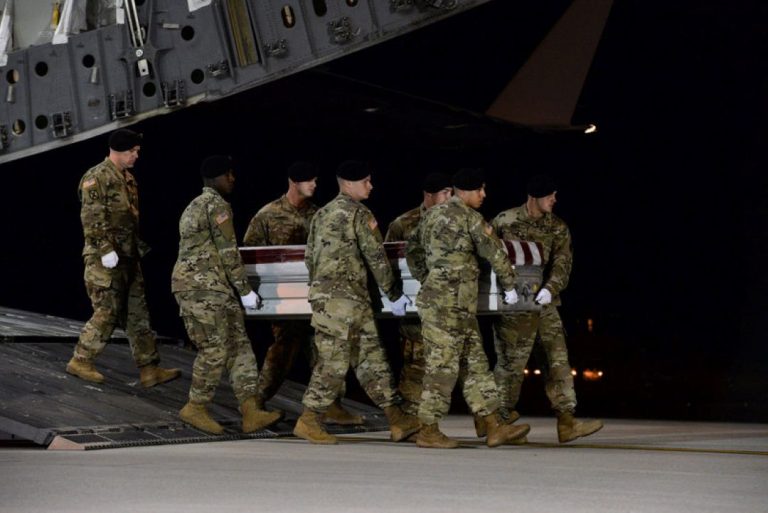
At the same time, the United States is reinforcing its military posture in the region. Defense officials are preparing roughly 2,000 paratroopers for potential deployment, a move that could provide additional leverage in diplomatic discussions while preserving the option of expanded military operations if talks fail.
Possible missions for those forces include securing key maritime routes or targeting strategic infrastructure tied to Iran’s energy exports. Analysts note that such steps could further escalate tensions but may also signal Washington’s determination to maintain access through the Strait of Hormuz.
White House officials have framed the situation as one in which Iran’s military capabilities have been severely weakened by recent strikes. Administration representatives say Iranian naval assets, missile systems and air defenses have suffered significant damage. They argue that the battlefield situation is pushing Tehran toward negotiations.
Iranian leaders, however, continue to emphasize their ability to disrupt global commerce through the Strait of Hormuz. Even without conventional military strength, Iranian authorities maintain considerable influence over the narrow channel, which is only about 21 miles wide at its narrowest point. Control over the route allows Tehran to threaten international shipping in ways that could reverberate far beyond the region.
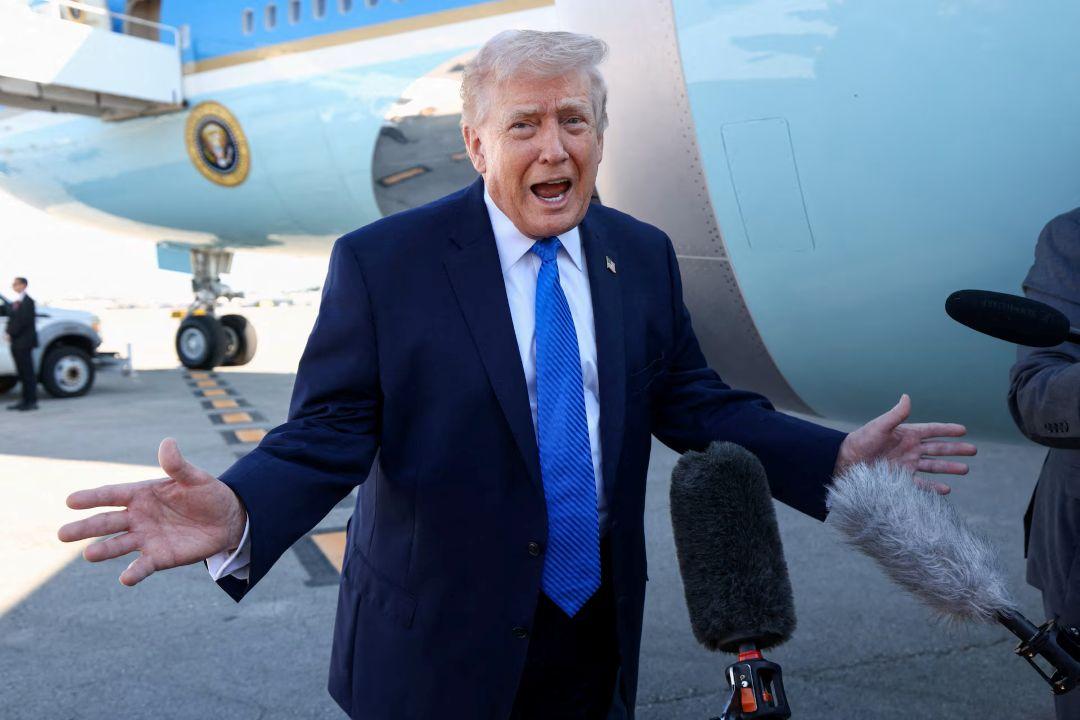
Diplomats in the Gulf and South Asia expect Iran’s position to fluctuate between resistance and cautious engagement. Some officials believe Iranian leaders may prefer negotiating with Vice President JD Vance, who has expressed skepticism about prolonged American military commitments abroad.
The proposed U.S. peace plan focuses primarily on security issues. It demands that Iran halt uranium enrichment and remove existing nuclear fuel stockpiles from the country, including a large reserve of highly enriched material. The plan also calls for unrestricted passage through the Strait of Hormuz.